#jesus

English · Global

A book about what Jesus would look like in 2026.

Weekly reflections. The book, soon.

Latest reflections

Compassion That Pays Attention

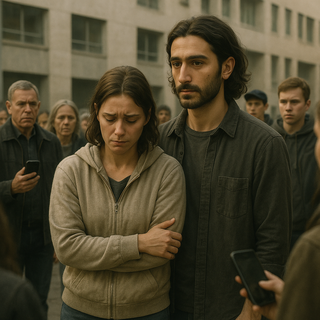
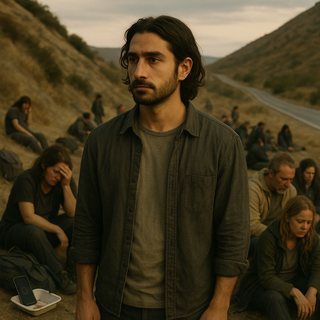
He looked at the crowd and saw more than faces. They had been with him for days. The food was gone. The road back was still ahead, and some of them were already near the edge. In 2026, that kind of tiredness is easy to hide: a full schedule, a steady expression, a body and mind running on almost nothing. But he did not treat their weakness like background noise. He noticed the empty stomachs, the long distance, the real risk of someone collapsing on the way home. What kind of love pays attention like that—the kind that admires people from a distance, or the kind that sees what they cannot carry? His compassion was practical. He cared about the moment, and he cared about what would happen after it. The simple truth is that he does not ask people to fake strength when they are running out. The crowd stood there hungry, but no longer unseen.

#jesus
Read →

The Door Stayed Open

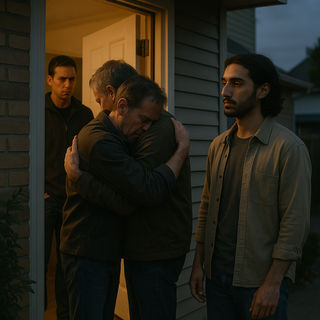
He had rehearsed the speech all the way back, because hunger had stripped the fantasy out of freedom. The younger son had spent everything trying to build life without the father, and the road had ended where pride always ends: empty, ashamed, and finally honest. In 2026, that kind of lostness still hides behind good photos, busy lives, and the need to look fine. Before he could finish his apology, the father was already running, already holding him, already giving back the place he thought he had lost. Then the other brother appears outside, furious at mercy, counting years, effort, and fairness like receipts. What if being far from the father is not only rebellion, but also a heart that keeps score and forgets how to love? The father goes out to him too. He does not shame one son and reward the other. This story says it plainly: the house runs on compassion, not performance. One son drops his excuses, the other is asked to drop his scorecard, and the open door becomes what changed the whole night.

#jesus

Read →

Mercy That Tells the Truth

The woman stands in the middle of a public verdict, surrounded by people ready to define her by her worst moment. Jesus does not join their cruelty, and he does not pretend the damage is small. In 2026, when shame can travel in seconds and many people carry a whole courtroom inside their own chest, his response still feels sharper than the noise around her. What does real mercy sound like when it refuses to humiliate a person and still refuses to call darkness light? He tells her she is not condemned, then tells her to leave the life that is ruining her. The teaching is simple: Jesus does not pin people under shame, and he does not leave them stuck in what destroys them. His mercy lifts her head. His truth redirects her steps. The scene ends with the crowd losing its power and a new road opening in front of her.

#jesus

Read →

When Silence Isn’t Fear

The room is tight with accusation, and Jesus does not rush to fill the silence. He stands under pressure, surrounded by voices that want him cornered, and he refuses to let their urgency choose his timing. His silence is not fear, confusion, or surrender. It is strength. In 2026, when every message, comment, and false impression seems to demand an instant defense, that kind of calm feels rare. Then he speaks, not to protect his image, but to tell the truth about who he is. What if peace does not come from winning the room, but from knowing the truth before the room decides what to do with you? Silence can be faithful, and when it is time to speak, truth does not need panic. The accusations keep flying, but the center of the room changes: pressure loses its grip, and his calm names what is real.

#jesus

Read →

What the Soil Keeps

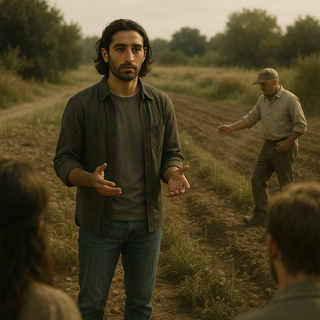
Jesus tells them about a farmer who throws seed everywhere, not just on the easy ground. Some of it lands on the hard path and never gets in. Some springs up fast, thin and bright, then folds under the heat because its roots never went down. Some starts well, then disappears under the crush of other growth. In 2026, with every screen pushing noise into tired minds, the story feels painfully current. What matters more: hearing one more spiritual message or making enough room for it to sink in and stay? The seed is good. The change depends on whether the heart is closed, shallow, crowded, or open. He is not describing perfect people, only receptive ones. Where the soil opens, a life starts to hold the word instead of just brushing past it, and fruit appears where nothing lasting seemed possible. The field looks the same at first; the harvest says what changed.

#jesus

Read →

What Looks Strong Can Fall

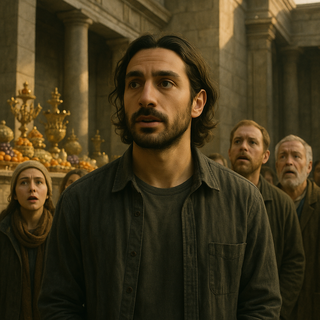
They stand there staring at the stone and the gifts, impressed by how solid it all looks. He lets them see the beauty, then says the hard thing: even this will come down. In one sentence, he breaks the spell around what is admired in public and treated as untouchable. In 2026, the shine is different—brands, platforms, savings, ministries, reputations—but the illusion is the same. If something is polished, famous, and wrapped in sacred meaning, does that make it strong enough to hold a life? He makes the lesson plain: visible strength is not the same as lasting hope. Good things can be received with gratitude without being treated as unshakable. So when the walls people lean on begin to shake, it is not proof that he left; it is proof that he is teaching them to trust deeper than stone. The temple still stands in their sight, but inside them, the center of weight has moved.

#jesus

Read →

See more →

The book

The Book

Launching in 2026

A book grounded in the Gospel — a fresh reading for today.
Notify me when it launches →