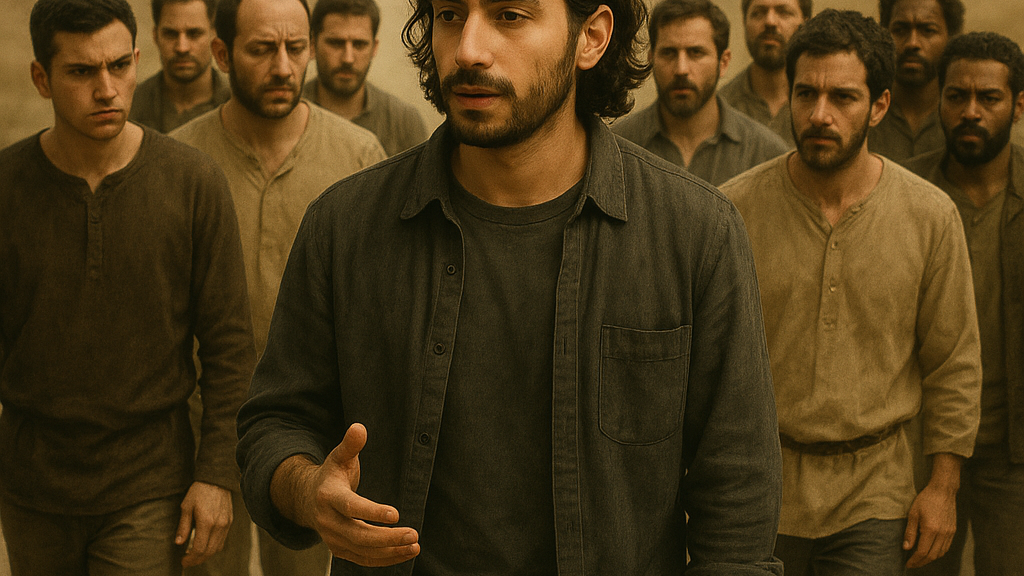
The Road He Chose
³² Ele será entregue aos gentios que zombarão dele, o insultarão, cuspirão nele, o açoitarão e o matarão.
³³ No terceiro dia ele ressuscitará".
We live in a time of constant avoidance: mute the hard conversation, close the tab, numb the ache, move on quickly. But Jesus does the opposite here. He walks toward what will wound him, and he does it with open eyes.
He tells the Twelve that what lies ahead is not random chaos but the fulfillment of what God had spoken. Mockery, shame, violence, death—none of it is minimized. Jesus is not brave because he ignores suffering; he is faithful because he entrusts himself to the Father's purpose even through suffering. This means the cross was not an interruption of love, but one of its clearest expressions.
And he does not stop with death. He speaks of resurrection before the suffering even arrives. That changes how we see our own fearful places. Following Christ does not mean pretending pain is small. It means learning that obedience can pass through sorrow without being abandoned there. The Lord who went knowingly into humiliation and death is also the Lord who rose, and that gives courage for the roads we would rather not walk.
When your next step feels costly, remember that Jesus has already gone ahead on the hardest road. He is not asking you to manufacture strength, but to trust the One whose love did not turn back and whose life was not overcome by the grave.
Exercise
Choose one difficult but necessary step you have been avoiding—a conversation, an apology, a boundary, a decision, or an act of faithfulness. Write it down, set a specific time in the next 24 hours to take that step, and before you do, pray this simple prayer: "Jesus, you did not turn away from the hard road. Help me walk faithfully with you today."
Reflect
What hard path have you been resisting, and how might remembering Jesus' willing suffering and promised resurrection change the way you face it?